If you’ve got a wide horse, or even one that just doesn’t match the “typical” shape, you’ve probably already run into saddle fit problems. It’s not as simple as grabbing whatever your trainer suggests and throwing it on their back.
Some saddles might look fine at first, but if they don’t match your horse’s shape, they can cause all kinds of issues, pinching, sliding, pressure points you can’t see, and worse. And when a horse has a broad back, those problems show up fast.
A proper saddle fit isn’t just about looks or keeping the saddle in place. It’s about comfort. For both you and your horse. It affects how they move, how you ride, and how connected the two of you feel.
So let’s get to the real question: how do you find a saddle that actually fits your wide horse, spreads your weight the right way, and avoids long-term pain or pressure?
Why Saddle Fit Matters More Than You Think
Here’s the thing: saddle fit really matters. Even a small issue, something you might not notice at first, can turn into a big problem if you leave it alone. And honestly? It happens more often than most riders realize.
For example, a saddle that puts too much pressure in 1 or multiple places, the pressure and irritation build up; it makes movement harder, stiffer, less free, and eventually painful. And the longer it goes on, the worse it gets. Pain gets worse, compensatory movements start, or have started, and eventually, bad behavior. What is sad, is this bad behavior often is blamed on a training issue. And it spirals down from there. I have had clients that have spent THOUSANDS of dollars with the vet, and it eventually all came down to a saddle issue. It happens way more than you think. Get a professional independent saddle fitter to help you. INDEPENDENT. Or as least a rep that carries multiple brands and isn’t going to sell you the best thing they have for your horse versus the actual best thing for your horse.
And let’s not forget about you, the rider. A saddle that fits wrong throws you out of balance too. You’ll catch yourself leaning forward too much, or can’t get your leg under you. Your saddle should help your riding and put you in the correct position. You should not be fighting with it. Many people do not realize this until they actually have one that fits them well. Don’t settle. If the seat is too small and it puts you on the cantle, this is bad for the horses back. Be realistic about your seat size.
The truth is, none of that should be happening. Not to you. Not to your horse. You both deserve better.
What a Poor Saddle Fit Looks (and Feels) Like
Let’s break down what poor saddle fit really means. Is the saddle too narrow? You’ll see pressure at the front. You can see “turned hair” and eventually white hairs. Sensitivity and tenderness to grooming and palpating at the wither. It’s too wide? This can cause the back of the saddle to float off the horses back. When it is really too wide, the pommel sits on the horses wither. This is really bad. As I am sitting on my porch writing this, I saw one of these horses today. A very lean thoroughbred. He had rub marks on the top of the wither where the hair was rubbed off. Very raw. When I turned the saddle pad over, there was blood. The owner felt terrible.
This is why saddle fitting is important. He wasn’t acting up yet, but he was going around with his head up and could not relax his back. This was going to end bad, thanks goodness we were able to intervene. There are also other signs…. Bridging, meaning the center of the saddle is not touching the horses back. Or rocking, the saddle is like a rocking chair in the horses back.
Other signs of a saddle that doesn’t fit include:
- Dry spots or uneven sweat patterns after a ride
- White hairs forming along pressure points
- Resistance to saddling, girthing, or mounting
- Short or choppy strides
- Bucking, rearing, or general behavioral issues
And if the horse flinches when you touch the wither? That’s another red flag. These aren’t just random quirks. They’re pain signals. And often, they’re directly related to saddle fit. Start by having a professional check your saddle before you spent money with the vet.
Wide Horses Aren’t Just Big Horses
Now here’s where things get specific. A wide horse doesn’t just mean “big.” We’re talking about horses with broader backs, flatter spines, or more muscle mass along the topline. Some the widest most difficult horses to fit can be small! Ponies, Haflingers, Morgans and Quarter horses, just to name a few.
90% of these breeds I will guess are wider than a medium tree.
These broad-backed horses need a saddle wide enough to sit across the spine without being perched up, pinching, rocking and all those other things we described. If too narrow, the tree points dig in, and the whole fit becomes unstable. If you've got a short-backed horse that's also wide? Now you need to watch out for pressure at both the front and back of the saddle.
Remember, a saddle that’s too narrow creates too much pressure right where it shouldn't. One that’s too wide can collapse down and touch the withers. Don't forget, it is not just the tree size, it is the shape from front to back. That is why proper saddle fit is a must, not a maybe.
How to Choose the Right Saddle for a Wide Horse
Let’s get into the solution side.
First, always start with the horse. Not the rider, not the brand, not the trendy saddle you saw on Instagram. Not what the trainer has. It may work for her warmblood but not for your draft cross! You’re fitting the saddle to the horse, then finding something that works for the rider within that framework.
You want a saddle that:
- Has a wide enough gullet to clear the spine without pressure
- Matches the horse’s conformation (especially around the wither and shoulder)
- Distributes the rider’s weight evenly over the horse’s back
- Allows freedom of movement in the shoulder and lumbar area
- Doesn’t rock front to back
If it’s a dressage saddle or a jumping saddle, the rules are the same, fit the horse first. That means checking the top of the saddle, the front of the saddle, and the back of the saddle, making sure it all sits in balance.
The right saddle should sit level, stay centered through movement, and not require a dozen pads to “make it work.” Because if you're piling on pads just to make a saddle fit, you're not fixing the problem, you're just covering it up. I tell my clients that if the saddle representative is trying to sell you a pad to make the saddle fit, don’t buy the saddle. There are a few exceptions, and those are usually very lean horses with boney top lines.
What a Professional Saddle Fitter Can Do
Honestly, from years of experience, I can tell you that one of the best moves you can make as a rider is working with a good professional saddle fitter.
They’ll assess saddle fit based on your specific horse's back shape, muscle tone, and conformation. A professional fitter can make adjustments, suggest better models, or even recommend an adjustable tree to give you more flexibility across seasons or different horses.
They’ll check things like:
- Tree points alignment
- Gullet clearance
- Balance front to back
- Pressure points
- How the saddle interacts with the rider's weight in motion
A saddle fitter can make a world of difference, especially with performance horses or when you’re investing in a new saddle.
And don’t forget: just because a saddle fit two years ago doesn’t mean it still fits now. Horses change. So you should get your tack fit yearly at a minimum.
Don’t Rely on the Girth to Hold Everything Together
You’ve probably heard this one: “Just pull the girth tighter.” But if the saddle does not fit? No amount of cinching will fix it. In fact, this can become the root of pain by forcing the saddle into the wither or spine and locking up the horse’s movement.
The girth is there to hold the saddle in place, yes, but only if the saddle is already sitting in the right spot. It shouldn’t be fighting against poor saddle fit.
I will be doing a blog soon about girths!
Signs Your Horse Might Be Telling You the Saddle Doesn’t Fit
If you ride regularly, you’ve probably noticed little signs. Maybe your horse pins its ears during tacking, or maybe it used to stretch its back and move freely, and now it seems stiff or reluctant.
Sometimes the horse may act up under the saddle, buck after a transition, or even refuse to go forward. These aren’t bad behaviors but signs of discomfort.
A comfortable saddle gives the horse the chance to move correctly. On the flip side a poorly fitted saddle can cause pain, tension, and eventually resentment, and once that builds up, the relationship between horse and rider starts to suffer.
If the fit of the saddle isn’t right, everything else falls apart.I have seen this dozens of times. A bad saddle leads to not moving correctly. Compensatory movements cause lameness somewhere else in the body.
Choose Comfort Over Trend
At the end of the day, your goal isn’t just to have a good-looking tack setup or the trendiest brand. You want a well-fitted saddle that supports the comfort and performance of the horse and the rider.
Whether you’re riding a quarter horse, a sport horse, or a short-backed pony, you have to find a saddle to fit that horse, not just a horse.
So ditch the idea of “one-size-fits-all” and listen to what your horse is telling you. Fit properly. Adjust when needed, and don’t forget to always prioritize freedom of movement, proper weight distribution, and connection. The right saddle, for the right horse, changes everything.


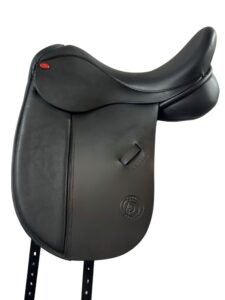 Introducing the Trio standard width dressage saddle line—our new collection of saddles designed specifically for “regular” width horses. Built with the same attention to detail, balance, and horse-first philosophy that defines every Duett saddle—just tailored for a different shape.


